Why do I not smell my fragrance anymore?
A question we often hear: “I can’t seem to smell my own perfume anymore, soon after application…” We thought it might be a good idea to write down some possible explanations for this regularly heard complaint. We also share some tips to overcome frustration and enjoy your fragrances to the max again.
Getting used to a fragrance? Switch it up!
First, you can ask yourself: is it that I no longer smell the perfume I often wear as well, or is this the case for the people around me too? A tip is to always ask someone else if they can still smell your perfume. Because our brains often filter out a scent once they've smelled it for a while. That's why it's always a good idea to alternate your perfumes, so you keep your nose — and with it, your brain — sharp. Do you already have a (small or large) scent wardrobe?
Body chemistry
A perfume can develop differently on every skin. This has to do with your entire body chemistry. Factors that play a role here include skin flora, acidity, oiliness, moisture content, hormones, lifestyle habits, stress, and medication use. As a general rule, you could say: the oilier and better nourished your skin is, the more beautifully a perfume can develop and the longer it will last.
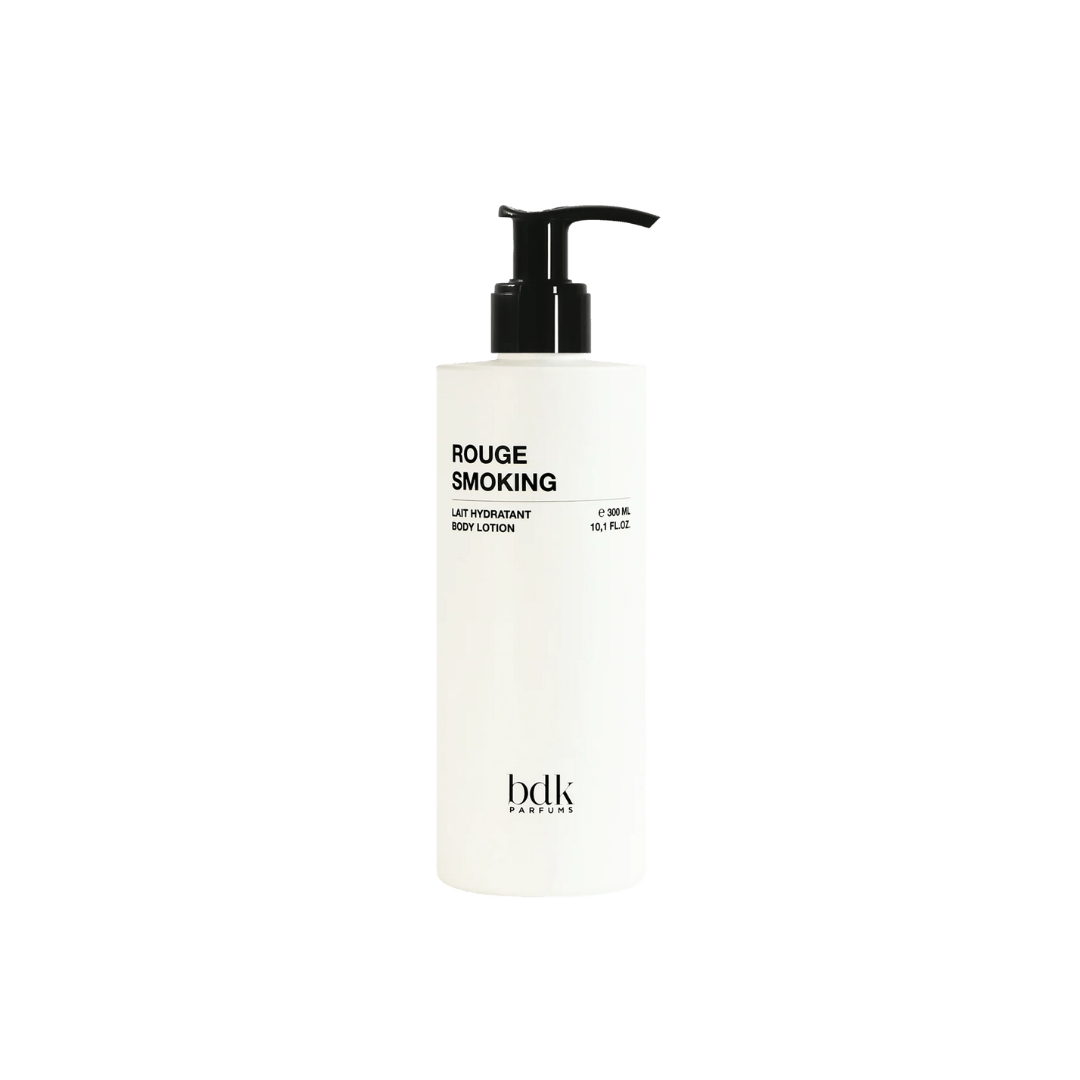
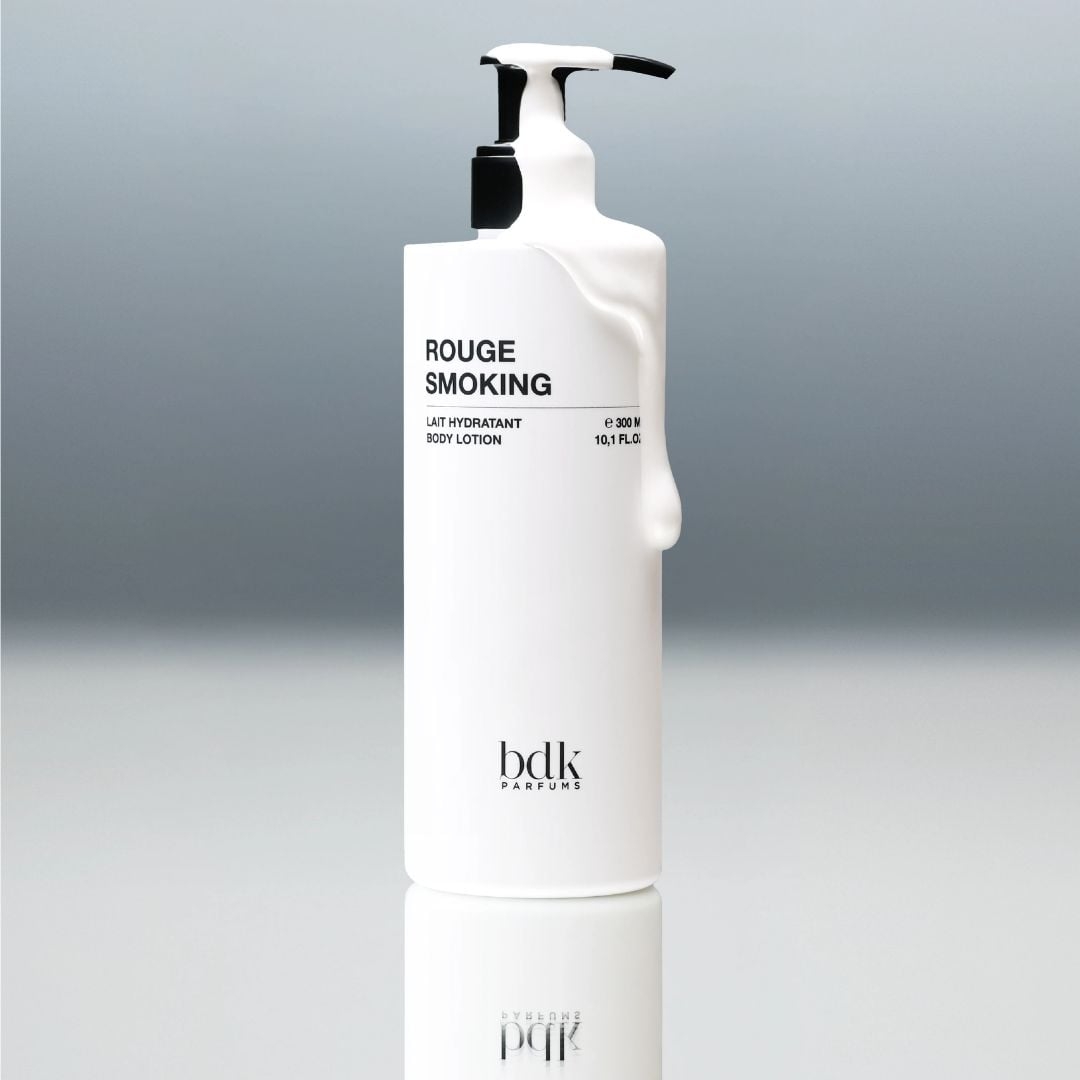
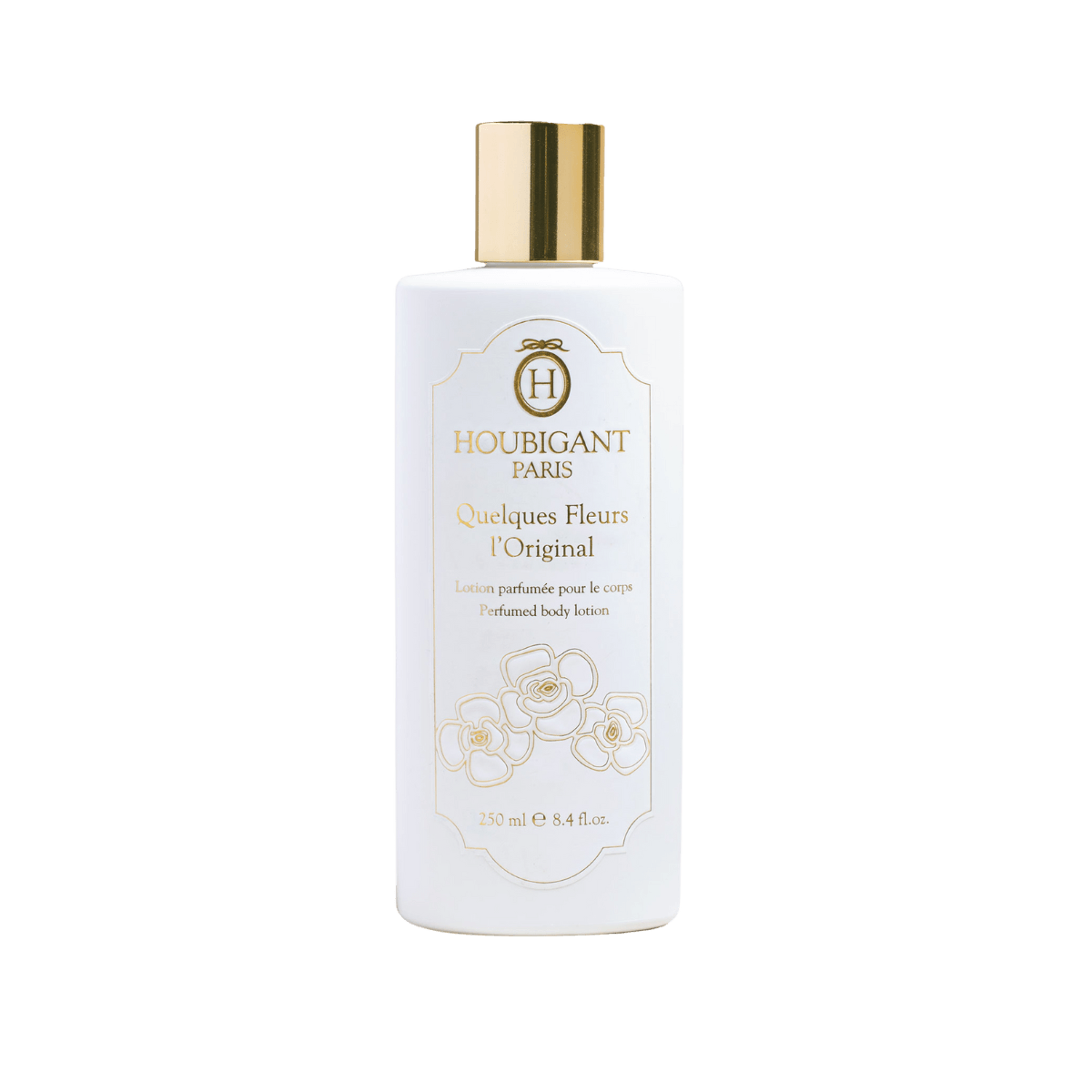
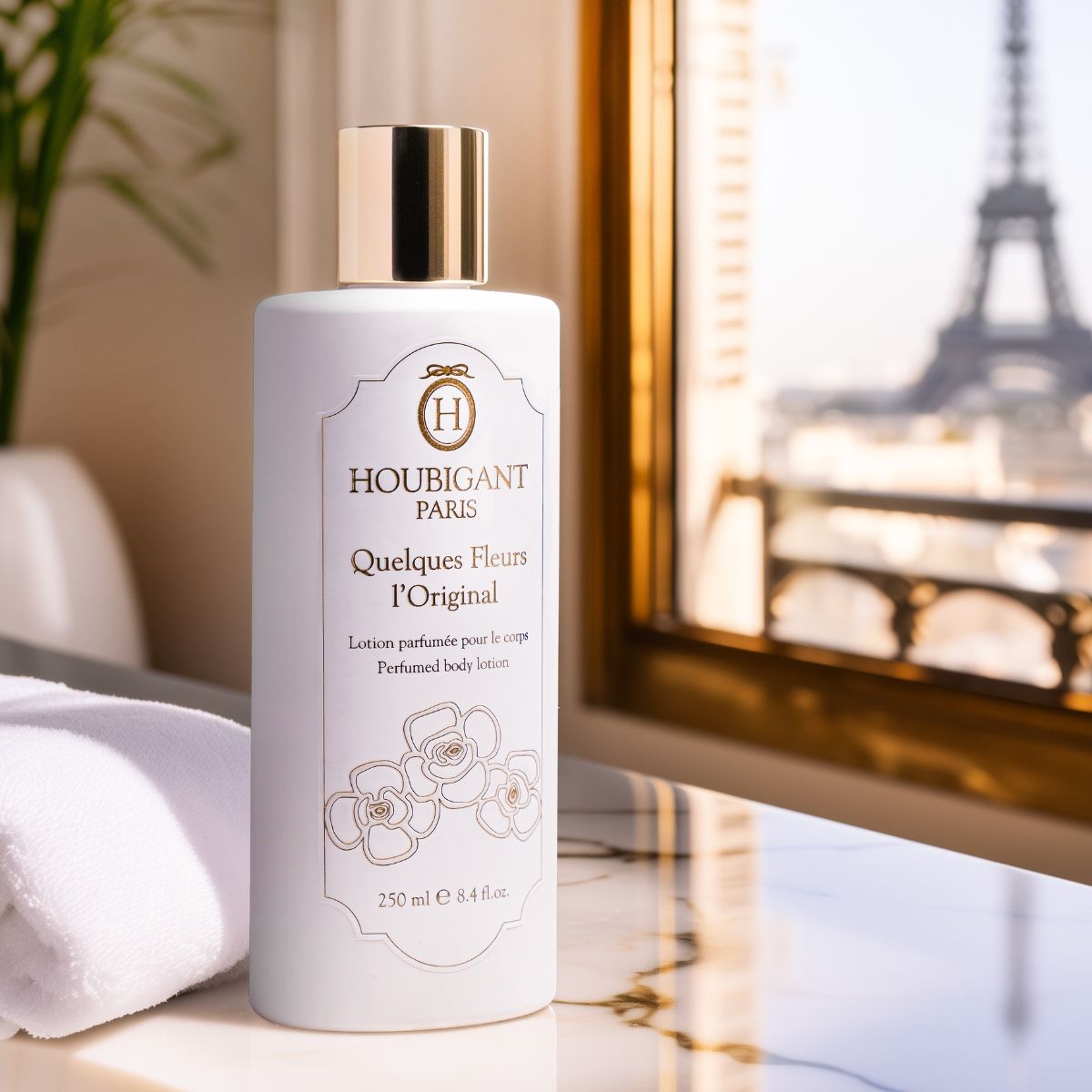
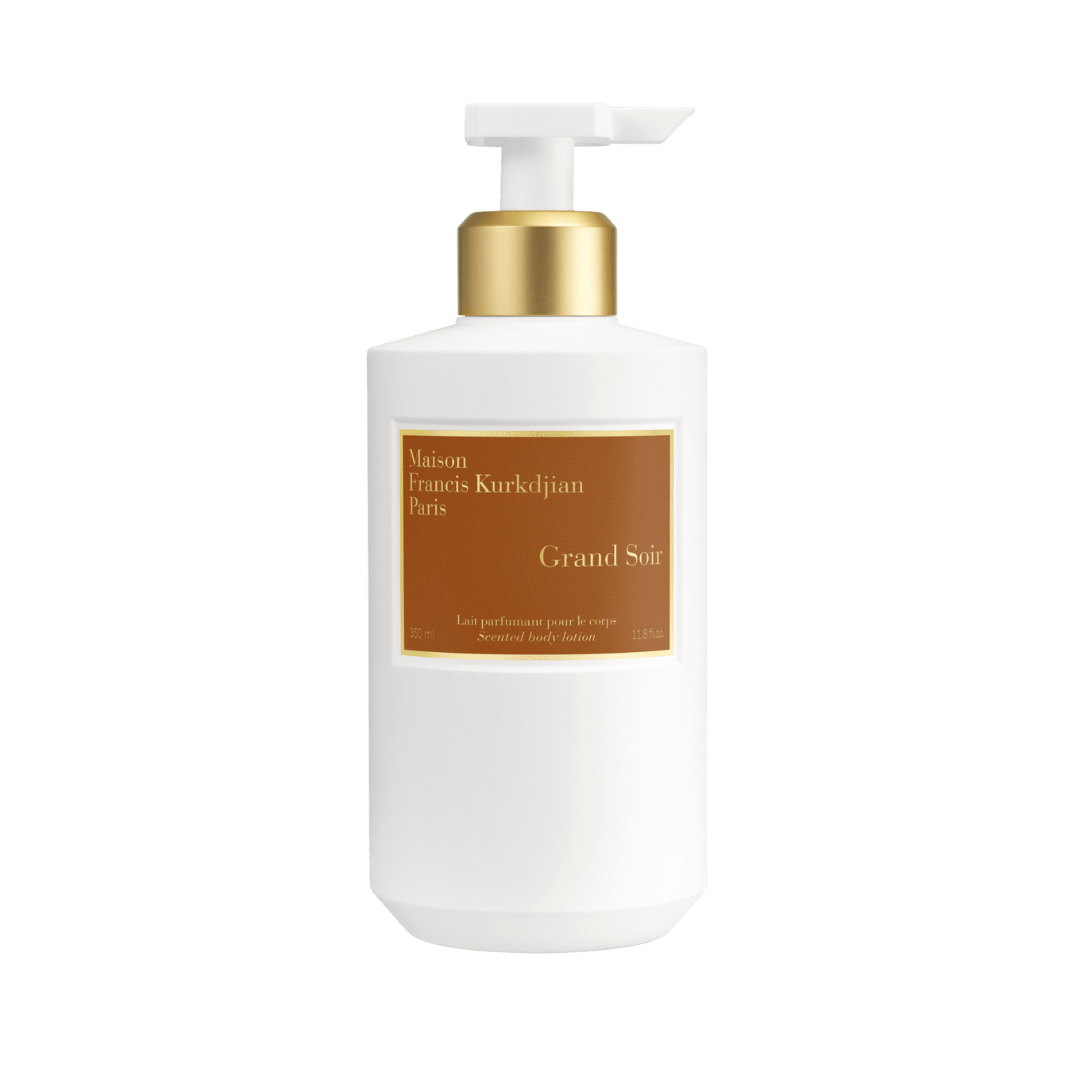
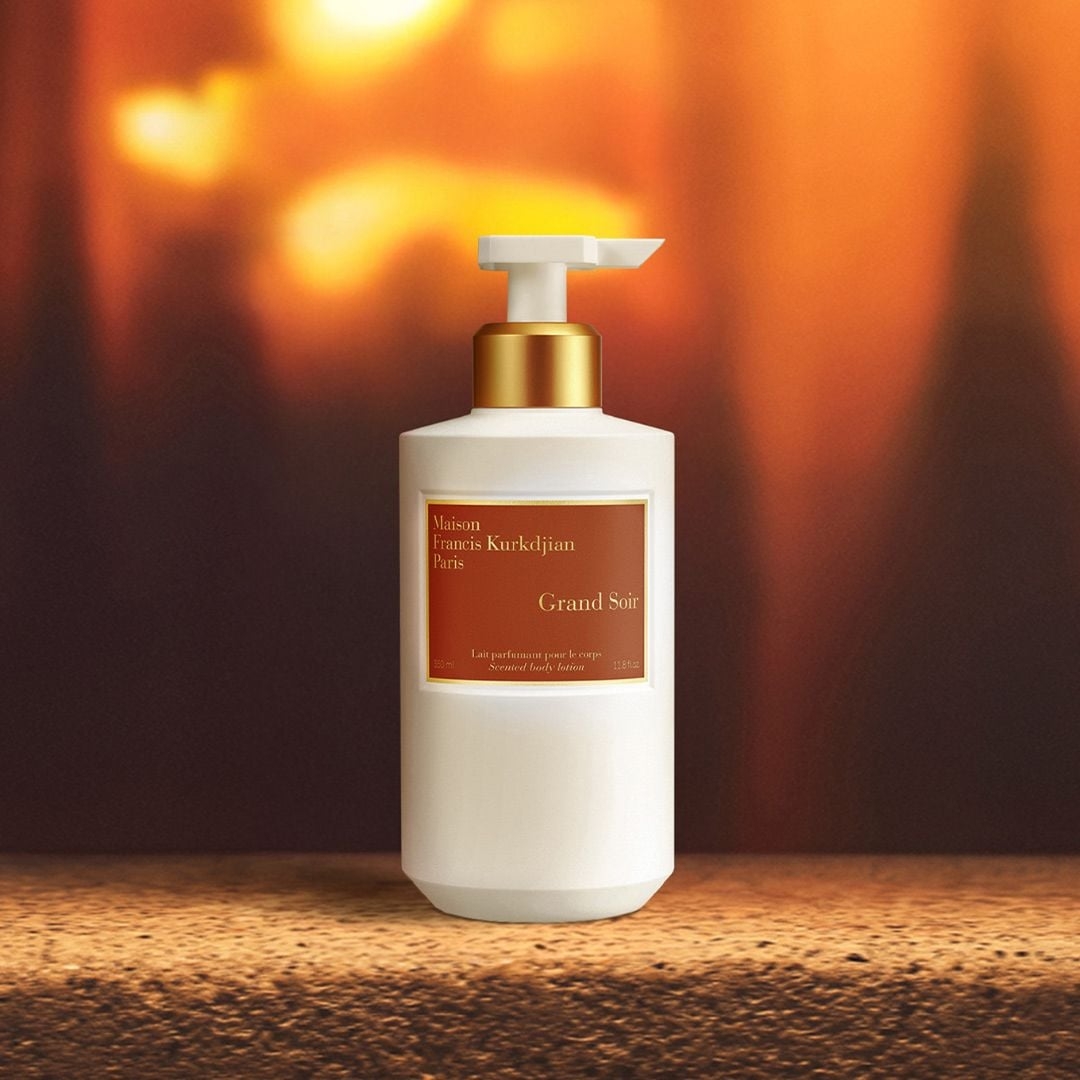
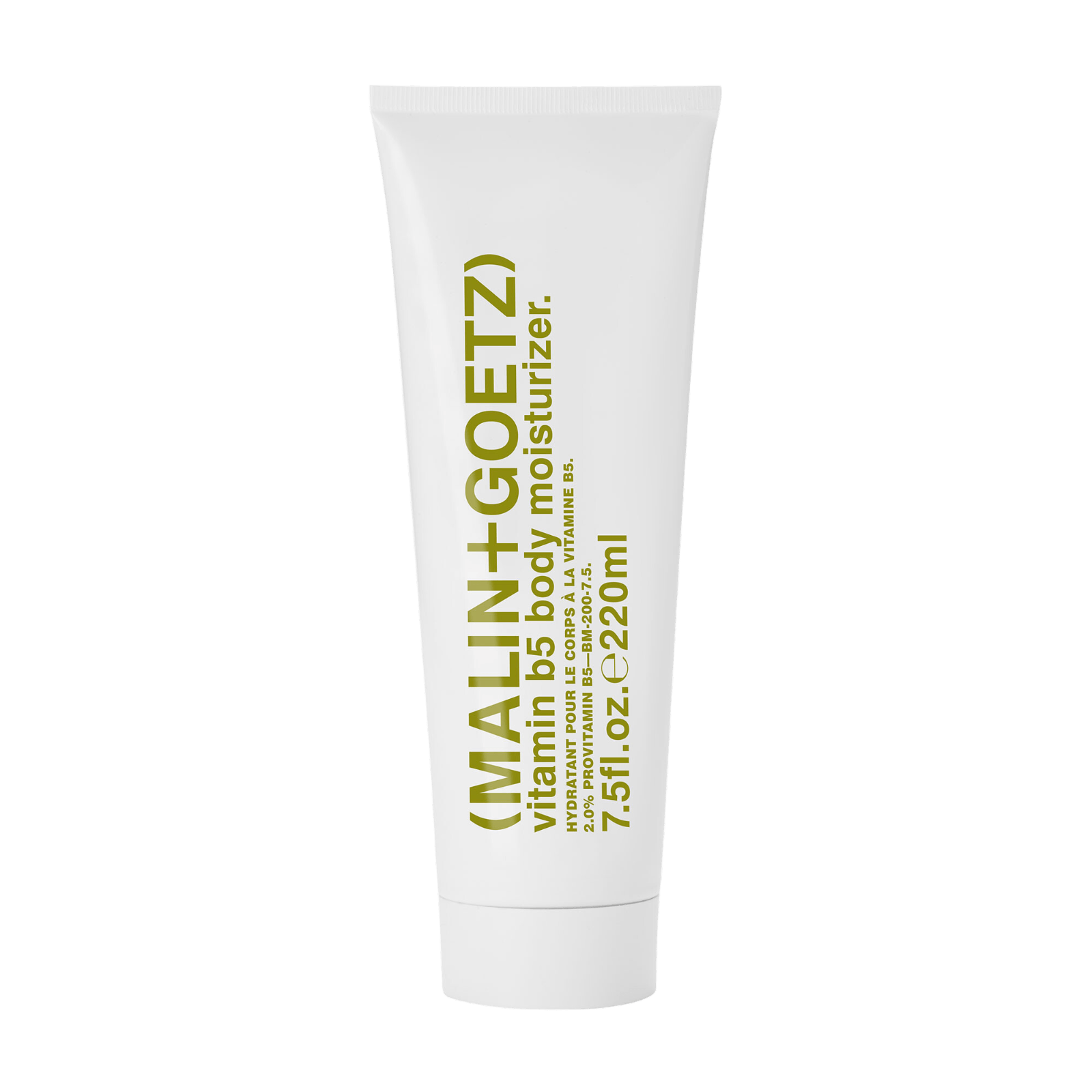
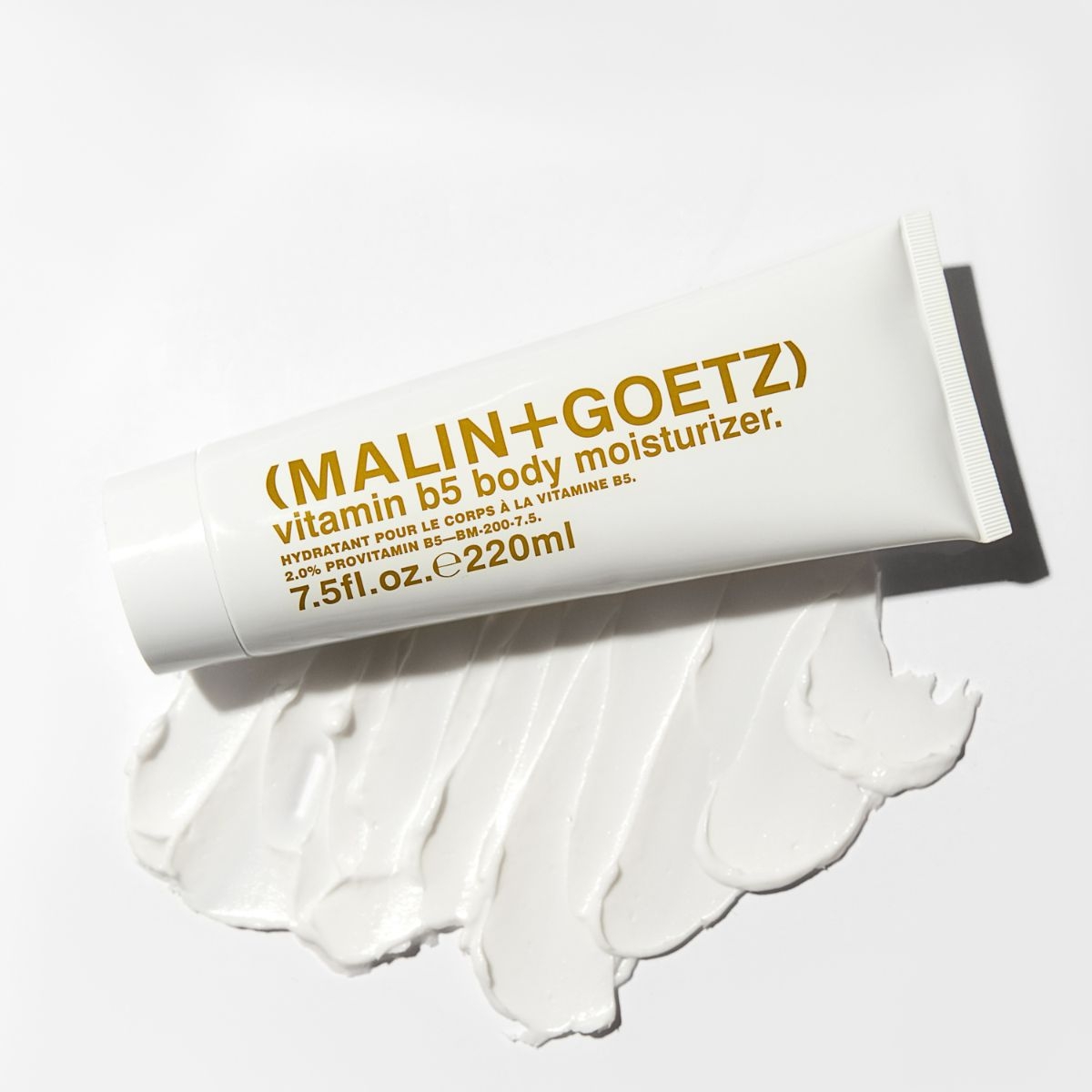
With just a regular neutral oil, cream, or body lotion, you already achieve a lovely effect right away. Of course, you can make it even more wonderful by combining it with matching scented body products if your perfume has them. Then you get the luxury of nourishment, hydration, and extra fragrance all at once! For the true enthusiast: also try playing and experimenting by 'layering' a scented body lotion of a different fragrance with your perfume (read our layering tips too). Our most important tip for making your perfumes smell beautiful for longer is therefore: moisturize, nourish, and hydrate generously!
Extend the perceptibility of your perfume
How and where you spray perfume
Also experiment with where you apply a perfume. Your 'pulse points,' such as the inside of your wrist, your neck, your décolletage, are good spots to apply your perfume. Pulse points are places where blood vessels lie close under the skin and release natural body heat. This warmth helps the scent notes of your perfume spread, intensify, and develop throughout the day. Coco Chanel already said it: "Wherever you want to be kissed." On these spots, where your skin feels warmer, a perfume develops optimally.
Perfumes also release their scent for a long time when they've been in contact with soft, absorbent materials like wool. Your scarf or cardigan can carry your perfume with them for a long while (but be careful with silk and non-colorfast materials!). Your hair is also an excellent carrier of perfume. Fragrant locks, dancing around you. Nowadays there are also beautiful hair perfumes, which care for your hair with nourishing ingredients while leaving behind a lovely scent.
Finally, play with the dosage of your perfume. What's the effect of a small amount on the skin compared to a larger dose?
Expectations of a fragrance
Enjoy your perfume! First try out a new scent on your skin. Does it make you happy? If the answer is 'yes,' then you're on the right track. When you smell a perfume and wear it on your skin, you might ask yourself: do I want to be able to smell this for 8 hours, or is 3 hours just fine too?
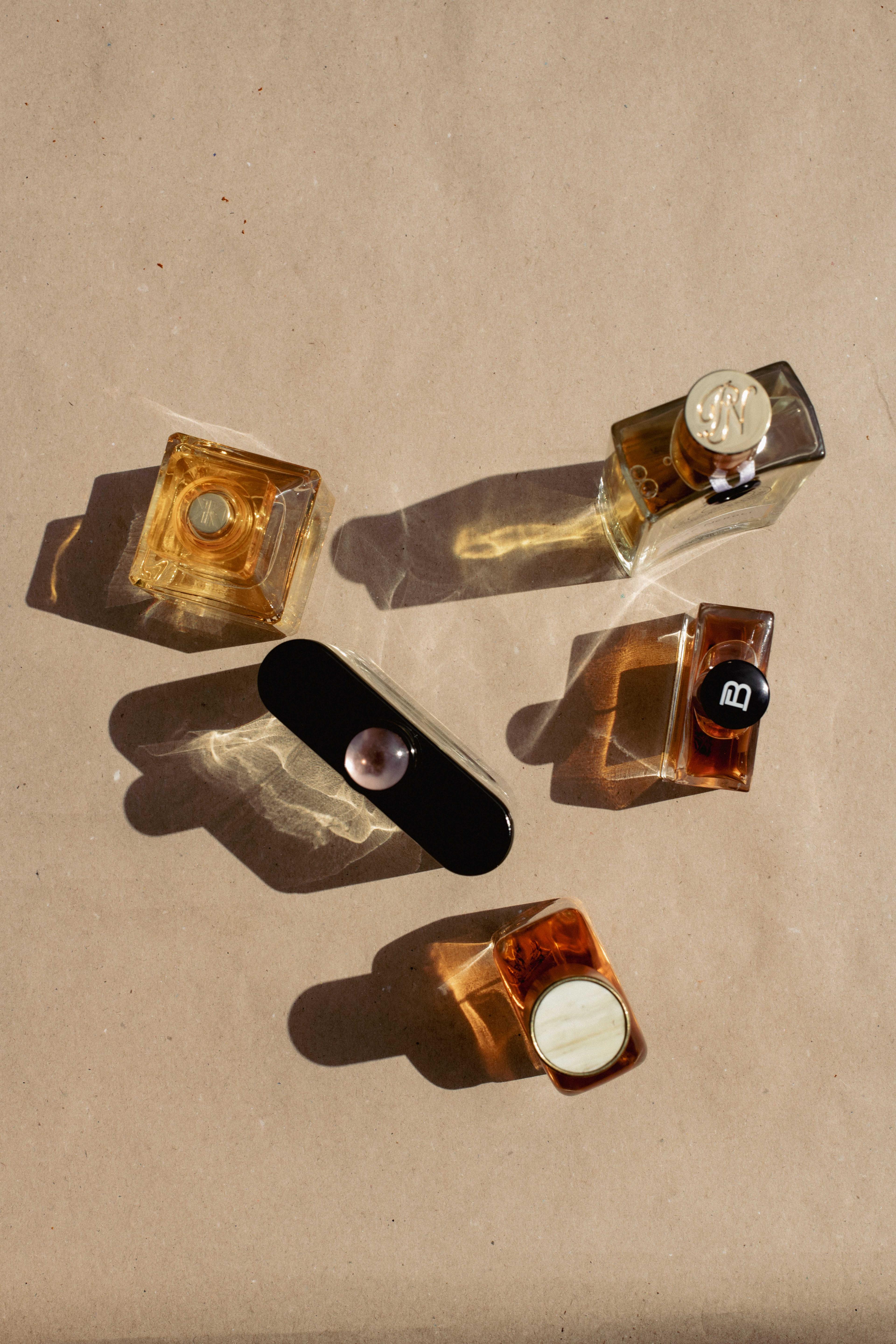
Before you buy a perfume, think carefully about what you expect from it. Some perfumes stay present for a long time and leave a long-lasting scent trail, while another perfume stays closer to the skin and is a bit more intimate. An eau de cologne, a sparkling aromatic scent with plenty of citrus, was traditionally used to give a brief refresh. Here, you accept the short-lived experience as part of the deal — the refreshment is what an eau de cologne is really about. For perfumes, then, you can also consider: do I want to feel nice, fresh, and clean, or am I looking for something heavier and more enveloping that lingers longer?
Ingredients and scent notes
The scent notes in perfume all have their own characteristics. Volatile ingredients such as citrus, mint, and pepper have a short-lived perceptibility. This stands in contrast to scent notes such as patchouli, resins, vanilla, and musk.
A perfumer will strive to bring all these scent notes into a good balance within the perfume. A perfume with predominantly citrus in it may not last as long on the skin; on the other hand, it can have a wonderfully refreshing character. Lighter perfumes can, of course, easily be reapplied throughout the day. Also read our blog about the difference in perfume concentrations.
How to store your perfume the best
Lastly, something you can pay attention to is storing your perfume properly. Light, high temperatures, temperature fluctuations, and oxygen are not good for your perfume. Perfumes that have been stored under the wrong conditions can change in scent. Read our blog with tips on how best to store perfumes.