Discover incense in perfume
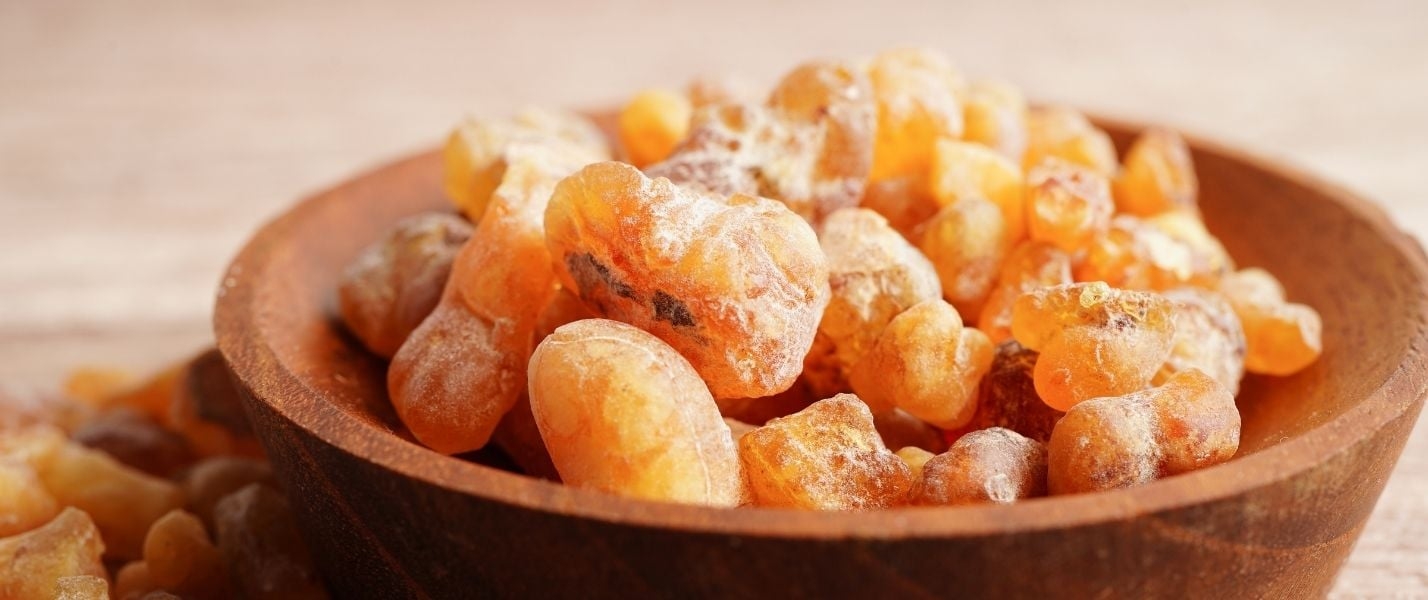
Incense is also called olibanum. The word olibanum comes from the Greek word libanos which means "fragrant resin." It is a gum resin, an aromatic, syrupy substance derived from the Boswellia tree. Incense smells spicy, woody, resinous and balsamic. It can have hints of myrrh, conifers and pepper. You can also recognize the scent of frankincense of rituals in catholic churches.
What is incense?
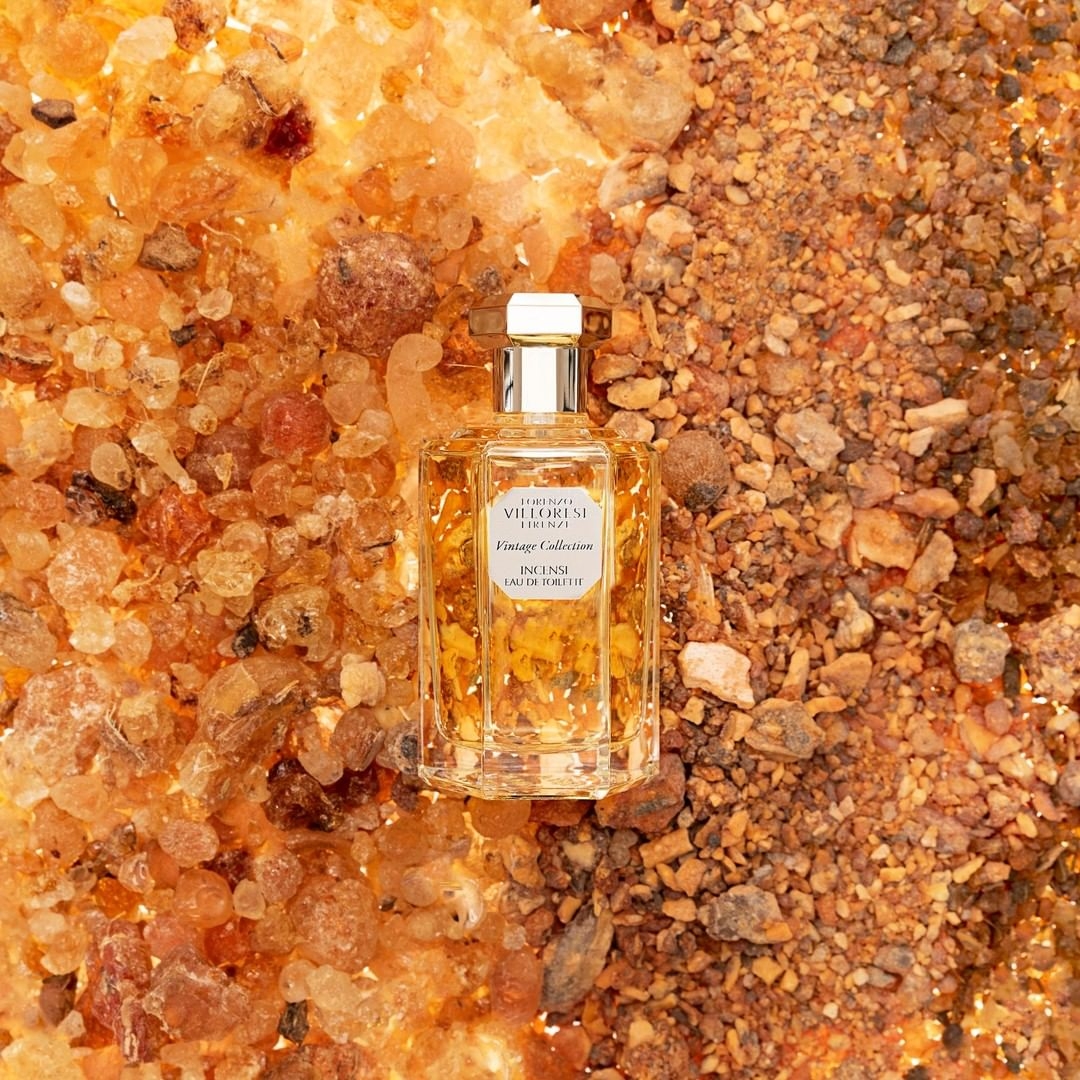
Frankincense is a resin incense, also known as olibanum. The word olibanum comes from the Greek libanos, meaning "fragrant resin." It's a gum resin — an aromatic, sticky substance harvested from the Boswellia tree, found primarily in Yemen and East Africa.
To harvest frankincense, incisions are made in the bark of mature Boswellia trees. Resin seeps out through these cuts and hardens as it's exposed to air. This resin can be burned directly as incense, or concentrated through steam distillation into frankincense essential oil.
How does incense smell?
Frankincense smells spicy, woody, resinous, and balsamic. It's often associated with myrrh, conifer, and pepper too. Many people will recognise the scent from church — particularly the Catholic church.
There are many different qualities of frankincense resin available; a few highly prized varieties are Hojari and Silver.
What is incense used for?
Frankincense essential oil is prized for its antiseptic and healing properties. It has been used in religious rituals for centuries, and was once even more valuable than gold. Like myrrh, the history of frankincense goes back 4000 years — the Egyptians were already using it. It formed part of kyphi, the sacred incense of kings, a blend of frankincense, myrrh, honey, wine, broom, saffron, coriander, roses, and berries.